
Fire Safety
Compliance for Care Homes.
Structured for Protection.
Professional fire compartmentation surveys identifying breaches, void failures, and structural weaknesses — ensuring your building’s fire strategy performs as designed.
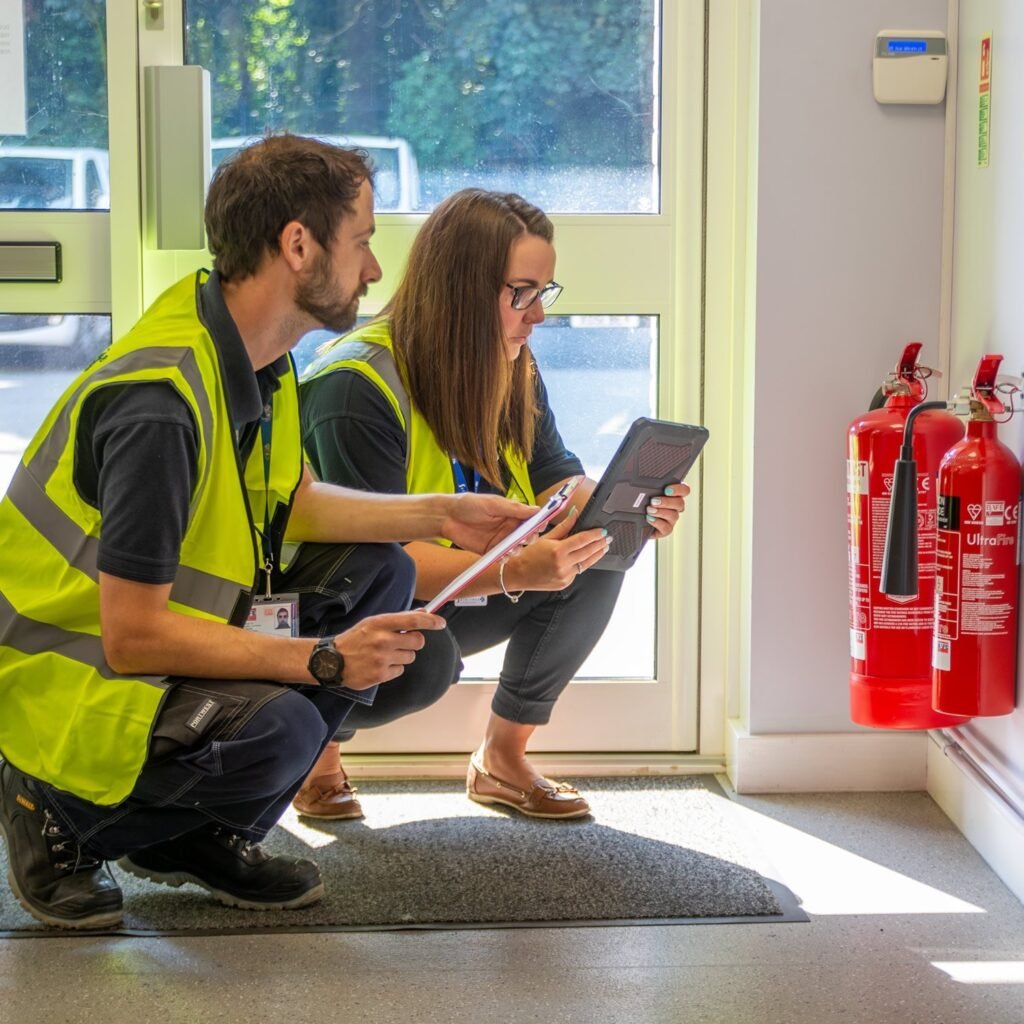
Vulnerable Occupancy Requires
Enhanced Compliance Standards
Care homes present unique fire safety challenges:
- Residents with limited mobility
- Night-time staffing constraints
- Evacuation complexity
- Medical equipment risks
- Cognitive vulnerability in dementia settings
Standard fire risk assessments are not sufficient without structured consideration of these factors.
OFHSES conducts assessments tailored specifically to vulnerable occupancy environments.
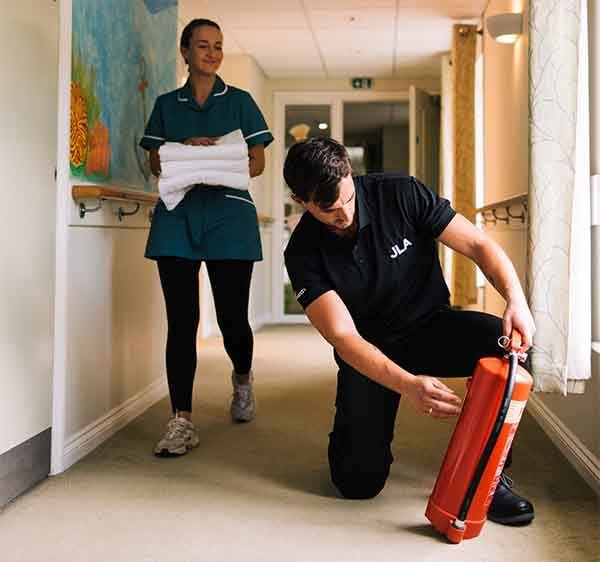
Fire Compliance Obligations for Care Providers
Care home operators must comply with:
- Regulatory Reform (Fire Safety) Order 2005
- Fire Safety (England) Regulations 2022
- CQC safety requirements
- Local authority fire enforcement standards
Responsible persons must ensure:
- Documented fire risk assessments
- Regular review and updates
- Staff training and evacuation planning
- Fire door and compartmentation integrity
- Clear evacuation strategies
Failure to comply may result in enforcement notices, CQC action, or prosecution.
Enhanced Assessment
Model for Care Environments
Our structured care home fire compliance review includes:
Fire Hazard Identification
- Electrical risks
- Oxygen storage (where applicable)
- Kitchen and laundry risks
- Medical device considerations
Fire Doors & Compartmentation
- Door integrity checks
- Corridor containment strategy
- Smoke migration risks
- Structural separation assessment
Fire Detection & Alarm Systems
- Coverage and zoning
- Testing frequency
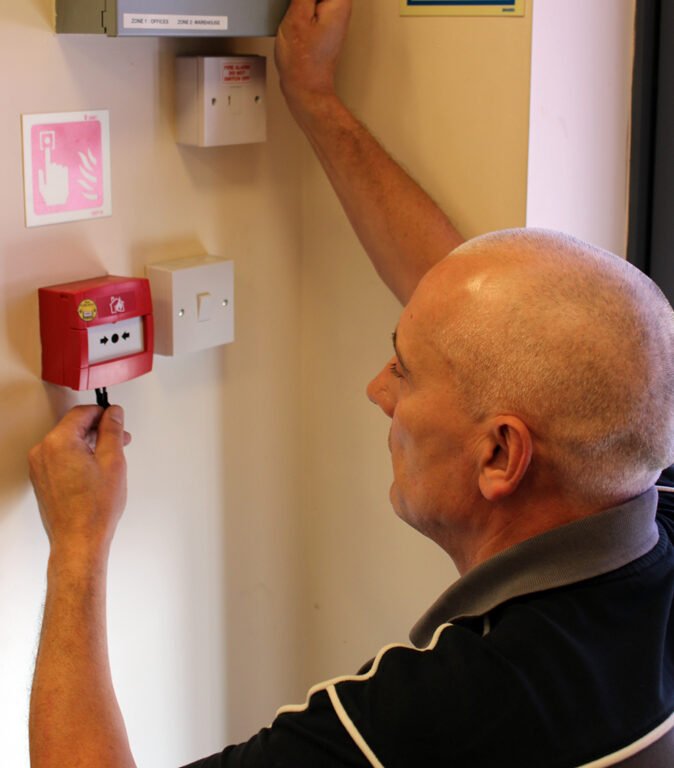
- Maintenance documentation
Evacuation Strategy Review
- Progressive horizontal evacuation suitability
- Staffing levels vs evacuation plan
- Night-time risk considerations
Documentation & Record Keeping
- Review of fire log books
- Maintenance records
- Previous FRA findings
- Action tracking
Evacuation Planning in Care Settings
Care homes often rely on progressive horizontal evacuation rather than full building evacuation.
We assess:
- Compartment integrity to support phased evacuation
- Refuge area suitability
- Corridor width and obstruction risks
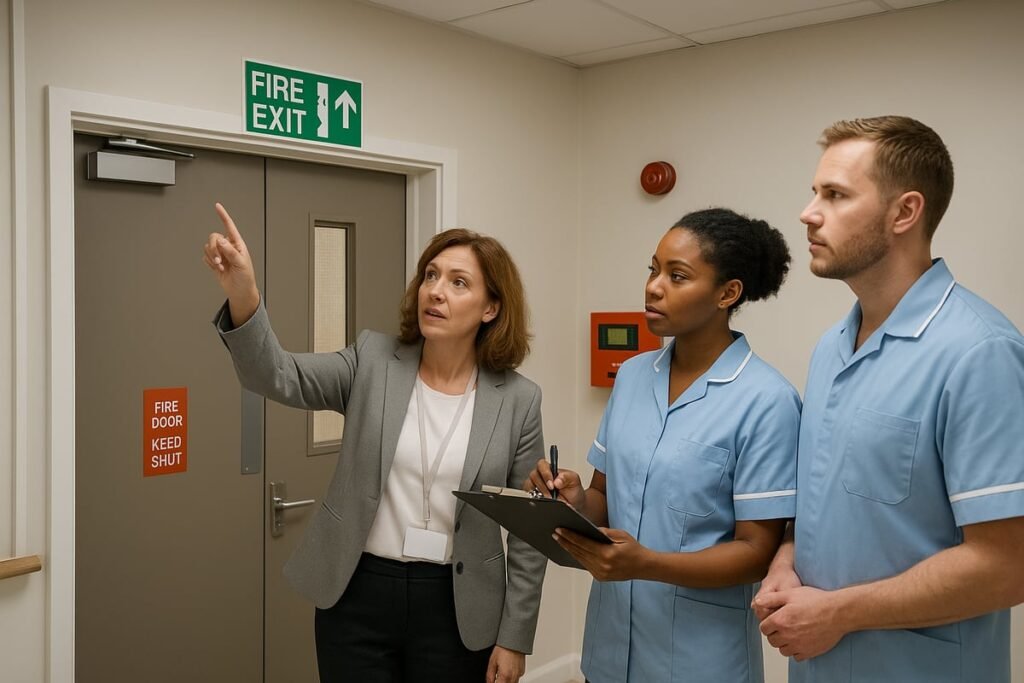
- Staff familiarity with emergency procedures
Evacuation strategy must align with building design and resident capability.
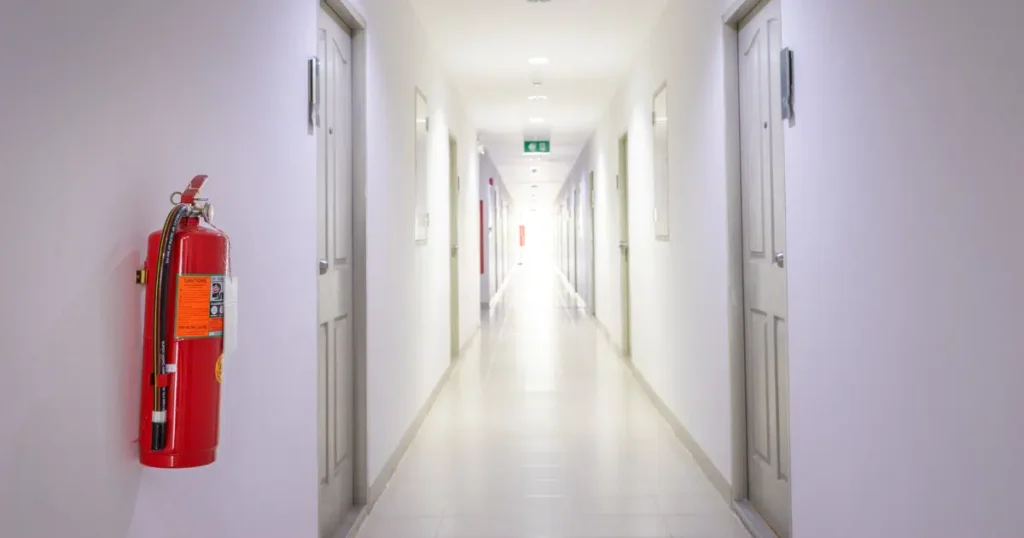
Frequent Compliance Issues
Found in Care Environments
- Fire doors wedged open
- Compartmentation breaches above ceilings
- Inadequate night staffing for evacuation
- Outdated alarm maintenance records
- Poorly documented action plans
- Unclear responsibility allocation
Early identification reduces enforcement risk and improves resident safety.
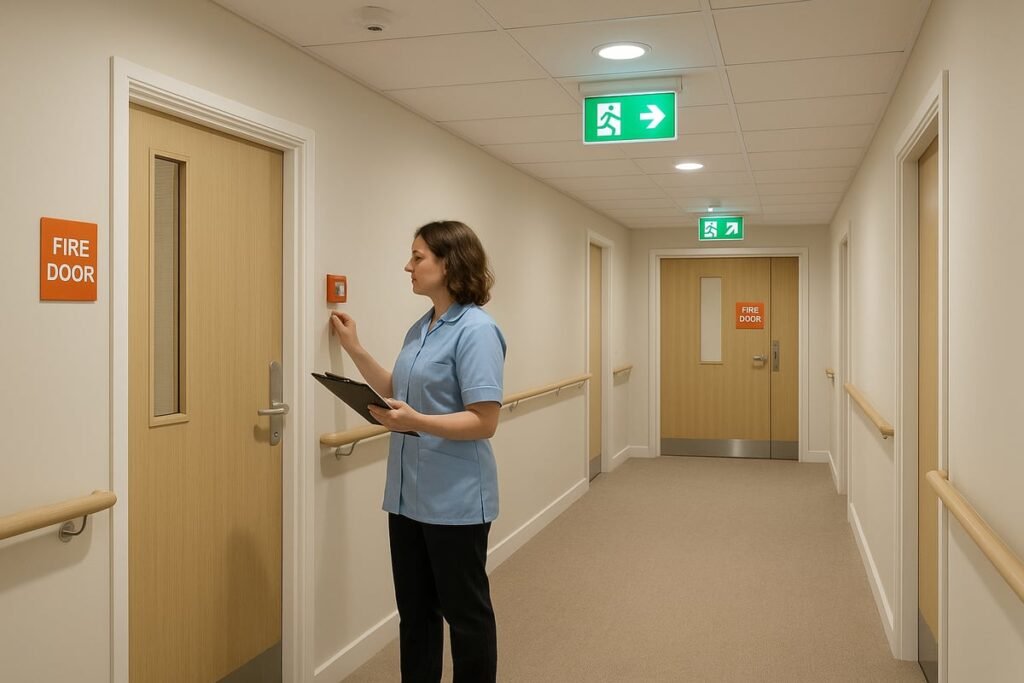
How OFHSES Supports Care Home Compliance
We operate a disciplined four-stage model:
Step 1 — Pre-Visit Documentation Review
We review prior assessments and relevant care compliance documentation.
Step 2 — On-Site Inspection
Detailed physical assessment aligned with care-specific risk factors.
Step 3 — Risk Categorisation
Clear classification of risks by urgency.
Step 4 — Prioritised Action Roadmap
Structured compliance plan for management.
Step 5 — Ongoing Review Support
Guidance for review intervals and regulatory updates.
Care Home Fire Compliance Report Includes:
- Detailed risk breakdown
- Photographic evidence
- Risk categorisation
- Evacuation strategy commentary
- Prioritised action plan
- Clear documentation suitable for inspection review
Reports are written clearly for directors, managers, and enforcement authorities.
How Much Does a Care Home Fire Risk Assessment Cost?
Costs depend on:
- Number of residents
- Number of floors
- Evacuation strategy complexity
- Building size
- Compartmentation condition
Indicative starting point:
From £450 + VAT (where applicable) depending on scale.
Use our estimator tool for structured guidance.
Structured, Accountable, Professional.
Care providers choose OFHSES because we deliver:
- Structured compliance methodology
- Clear documentation
- Sector-specific understanding
- Transparent communication
- Alignment with regulatory expectations
We understand the seriousness of vulnerable occupancy.
How often should care homes review their fire risk assessment?
At least annually, or when significant changes occur.
Are care homes inspected more strictly?
Yes. Vulnerable occupancy increases enforcement scrutiny.
What is progressive horizontal evacuation?
A phased evacuation strategy moving residents to safe compartments before full exit.
Does CQC check fire compliance?
Yes. Fire safety forms part of broader safety compliance expectations.

Protect Residents. Protect Staff. Protect Your Licence.
Ensure your fire compliance is structured and defensible.