
Compartmentation Surveys.
Containment You Can Trust.
Professional fire compartmentation surveys identifying breaches, void failures, and structural weaknesses — ensuring your building’s fire strategy performs as designed.
What Is Compartmentation —
And Why Does It Matter?
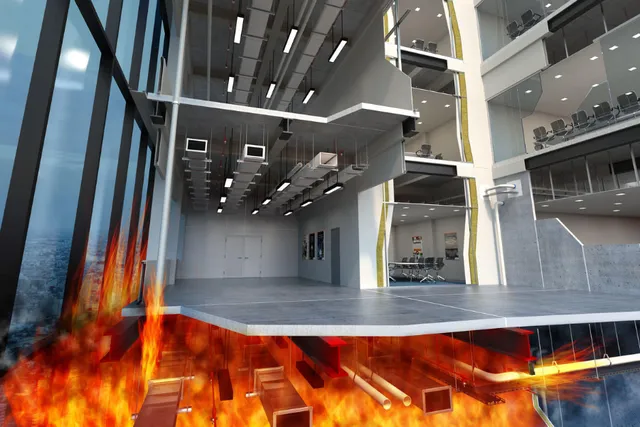
Fire compartmentation is the structural design principle that prevents fire and smoke from spreading between sections of a building.
It relies on:
- Fire-rated walls
- Fire-rated ceilings
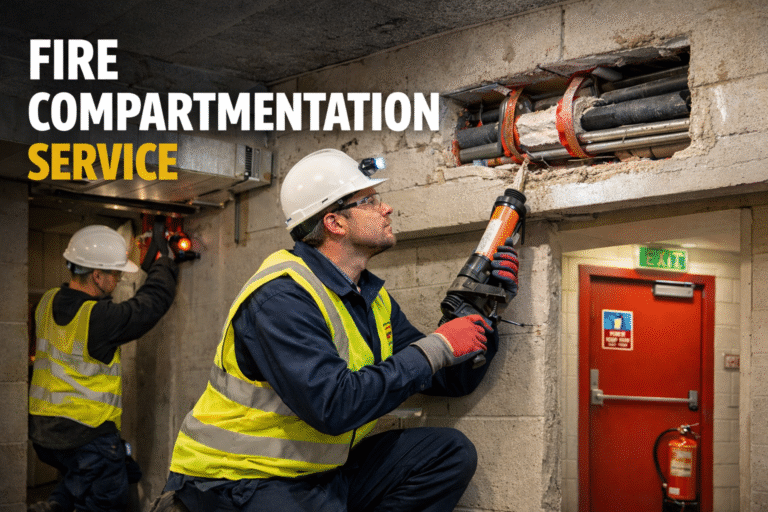
- Service penetrations correctly sealed
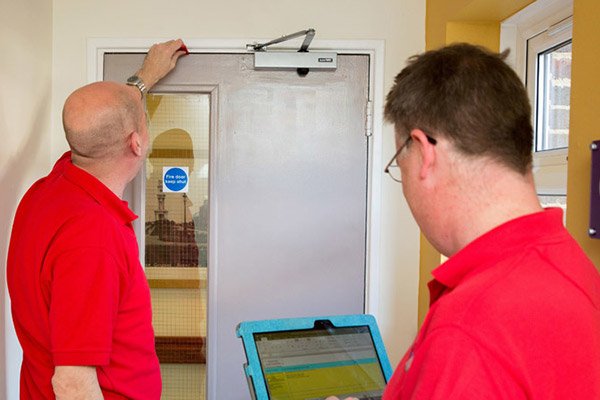
- Fire doors functioning correctly
When compartmentation fails, fire spreads rapidly — compromising escape routes and increasing life risk.
When Should You Conduct a Compartmentation Survey?
You may require a survey if:
- Your building is multi-occupancy
- Renovations or installations have occurred
- Services (pipes, cables, ducts) pass through fire-rated walls
- Previous fire risk assessments flagged compartmentation concerns
- You manage high-rise or complex buildings
Compartmentation failures are common after construction works, refurbishments, or service upgrades.
What an OFHSES
Compartmentation Survey Covers
Our structured inspection process includes:
Fire-Rated Walls & Floors
- Integrity of fire-resistant barriers
- Visible breaches
- Structural gaps
Service Penetrations
- Pipework
- Electrical cabling
- Ventilation ducts
- Data cables
We assess whether penetrations are correctly sealed using appropriate fire-stopping materials.
Ceiling & Void Spaces
- Suspended ceilings
- Above-ceiling void integrity
- Hidden service pathways
Fire Door Interface Points
Where doors meet compartment walls, we assess integrity and sealing.
Frequent Compartmentation Issues in UK Buildings
We regularly identify:
- Unsealed cable penetrations
- Poorly applied fire-stopping foam
- Gaps around service ducts
- Breaches created during maintenance works
- Compromised ceiling barriers
- Missing fire collars
These failures often remain hidden but critically weaken fire containment strategy.
How OFHSES Conducts Compartmentation Surveys
We operate a disciplined four-stage model:
Step 1 — Documentation Review
We review existing plans and fire strategy documents (where available).
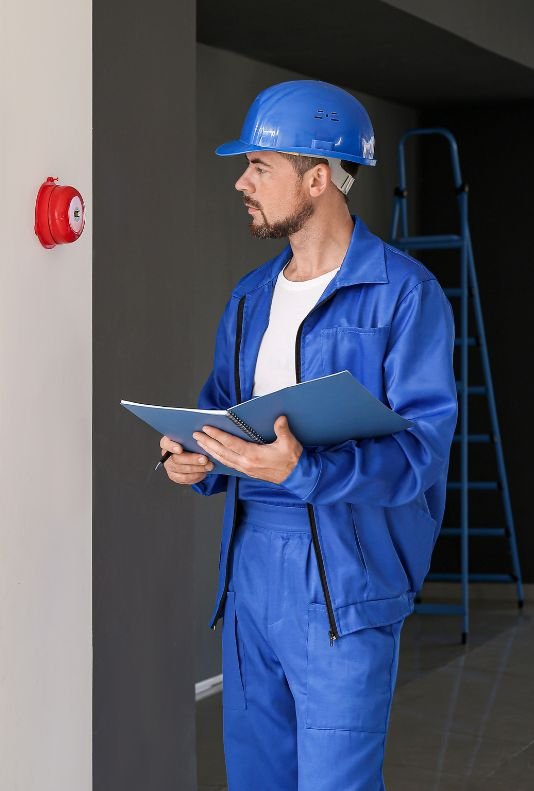
Step 2 — Visual & Physical Inspection
Targeted inspection of high-risk areas, including voids and service penetrations.
Step 3 — Photographic Documentation
All breaches documented with clear imagery.
Step 4 — Risk Categorisation
Each issue classified:
- Minor Breach
- Moderate Risk
- Critical Compartmentation Failure
Hidden Breaches Can Invalidate Your Fire Strategy.
A building’s fire risk assessment assumes compartmentation works as designed.
If compartmentation is compromised:
Fire spreads faster
Smoke migrates into escape routes
Fire doors become ineffective
Insurance and enforcement risks increase
Containment is foundational to life safety.

Your Compartmentation Survey Report Includes:

- Area-by-area findings
- Photographic evidence
- Risk classification
- Recommended corrective actions
- Summary suitable for management review
Reports are structured for clarity and accountability.
Who Requires Compartmentation Surveys?
Applicable To:
- High-rise residential buildings
- Multi-occupancy blocks
- Care homes
- Hotels
- Commercial buildings
- Buildings undergoing refurbishment
If your property contains multiple fire compartments, structural integrity must be verified.

How Much Does a Compartmentation Survey Cost?
Costs depend on:
- Building size
- Complexity of services
- Access to voids
- Number of compartments
Indicative starting point:
Indicative starting point:
From £350 + VAT (where applicable) depending on scale.
Use our estimator for structured guidance.
Structural Compliance Requires Structured Expertise.
OFHSES delivers:
- Methodical inspection
- Clear categorisation
- Practical remediation guidance
- Regulatory alignment
- Transparent documentation
We approach compartmentation as a critical life-safety system — not a superficial visual check.
What is fire-stopping?
Fire-stopping refers to sealing service penetrations to maintain fire resistance.
How often should compartmentation be checked?
It should be reviewed periodically and after any structural or service modifications.
Can minor breaches be ignored?
No. Even small gaps can allow smoke and fire spread.
Is a compartmentation survey legally required?
It may not always be explicitly mandated, but it is often necessary to support compliance with fire safety obligations.

Ensure Your Fire Strategy Performs As Designed.
Verify containment.
Prevent hidden failures.
Protect occupants and property.