Care homes present unique fire safety challenges.
Unlike standard residential or commercial premises, many occupants may:
Because of this, care homes often rely on a strategy known as Progressive Horizontal Evacuation (PHE).
Understanding how PHE works — and what it requires — is essential for compliance and safety
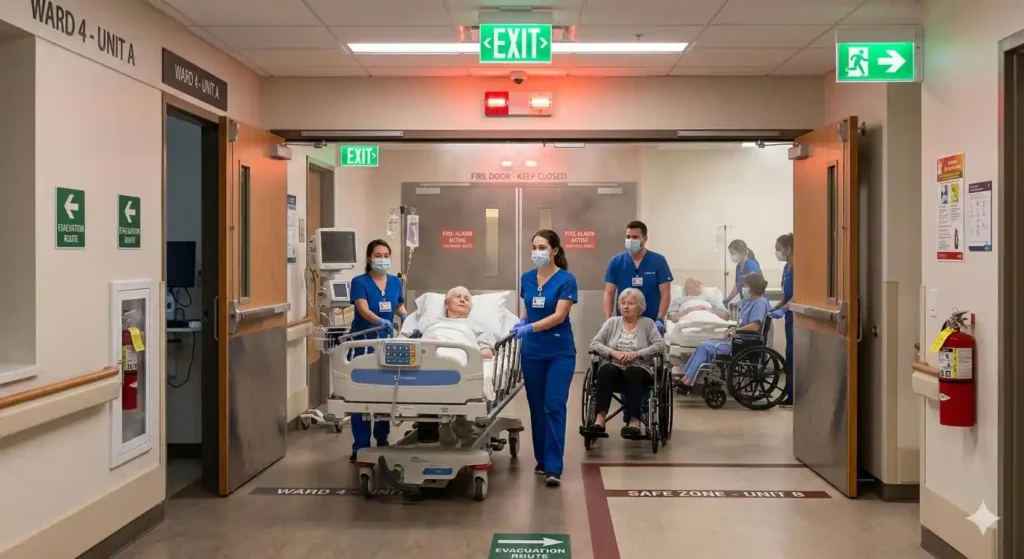
Progressive Horizontal Evacuation is a staged evacuation strategy where residents are moved:
Instead of descending stairs immediately, occupants are moved to a safe adjoining area on the same floor.
This allows:
Full building evacuation may not be immediately practical in care environments.
Factors include:
PHE allows staff to:
This strategy depends entirely on structural integrity.
For PHE to work effectively, the building must have:
If compartmentation fails, the evacuation strategy fails.
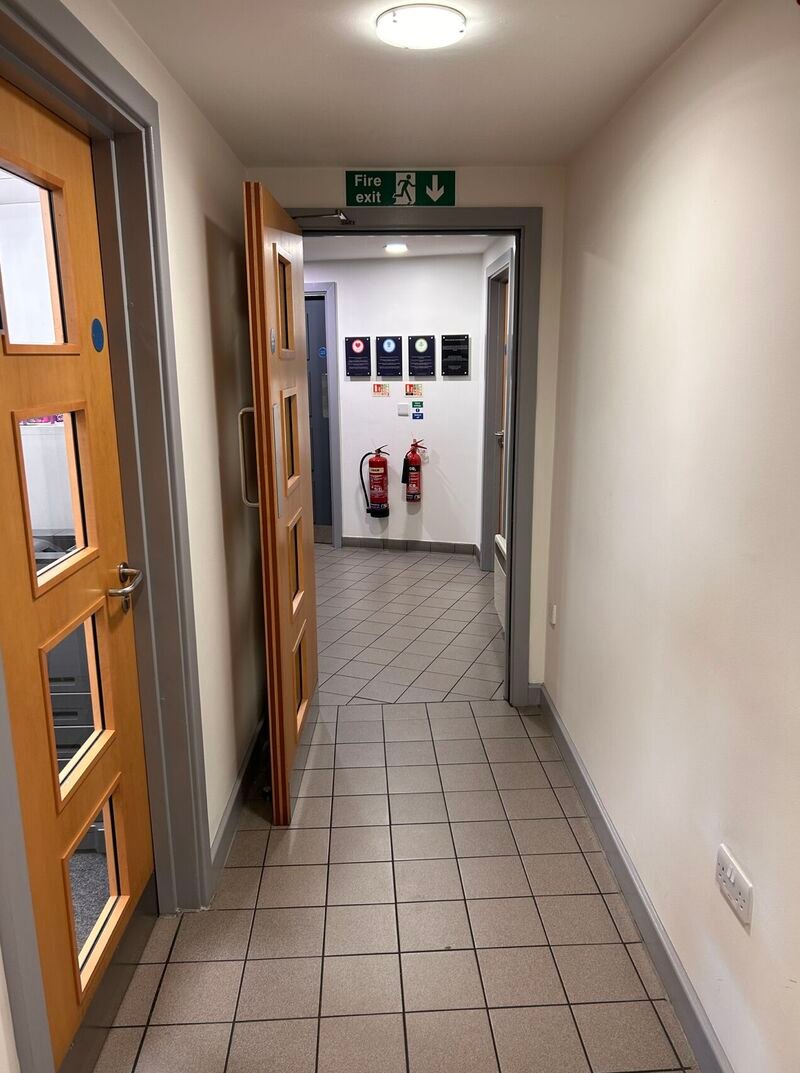
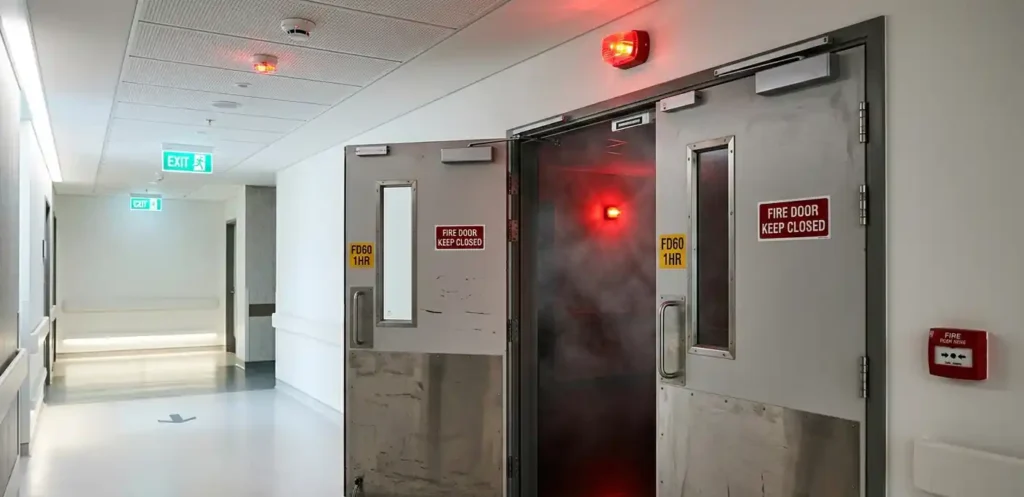
Fire doors are critical to compartment integrity. In care homes, fire doors must:
A single defective fire door can compromise the evacuation plan.
PHE relies heavily on staff training and availability. Care home operators must consider:
Fire Risk Assessments must account for staffing adequacy.
Early detection is critical in care settings. Systems must:
Delayed detection undermines the effectiveness of PHE.
Under UK fire safety legislation, care homes must:
Regulators expect:
Failure to demonstrate evacuation viability may result in enforcement action.
Inspections frequently identify:
PHE requires continuous monitoring — not a one-time plan.
OFHSES provides structured assessments that include:
We assess whether the evacuation strategy is realistic — not just written.
Progressive Horizontal Evacuation is not simply a policy — it is a structural and operational system.
It depends on:
Care homes must ensure that their evacuation strategy can withstand regulatory scrutiny.
If your care facility:
A structured assessment may be required.