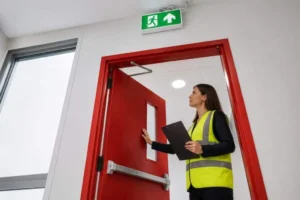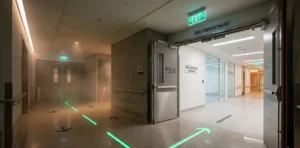
The right fire risk assessment provider is someone competent for your specific premises, not simply the cheapest quote or the longest list of badges. As the Responsible Person, you remain accountable for making sure the assessment is suitable and sufficient, even when you appoint an external assessor. This guide explains what competence means in practice, which qualifications and certification to look into, what to ask, how to compare quotes and which red flags to watch for. It also covers what a good report looks like, so you can appoint with confidence.
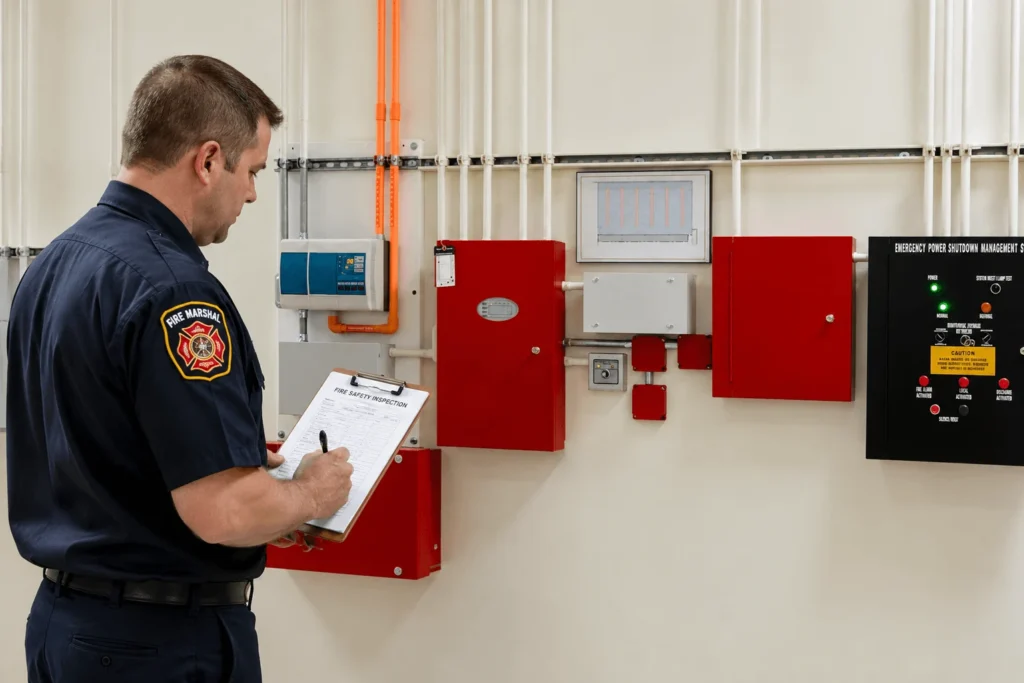
This article reflects the position in England. The Regulatory Reform (Fire Safety) Order 2005 applies in England and Wales, but Scotland and Northern Ireland have separate fire-safety legislation. Where something applies to England only, we say so.
Why Choosing the Right Fire Risk Assessment Provider Matters
A fire risk assessment isn’t a certificate you buy to tick a box. It is the document that identifies who could be harmed, what could cause a fire, and which precautions are needed. If the assessor misses a hazard, misjudges an escape route or recommends the wrong fixes, the building’s occupants carry the consequences first and the Responsible Person carries them next.
A good assessment gives you:
- accurate identification of building-specific risks
- recommendations that are proportionate and prioritised
- a record you can rely on and act on
- evidence that you took the duty seriously
A weak one can leave real hazards unaddressed while giving false reassurance. Appointing an external assessor doesn’t transfer your legal responsibility. The duty to ensure a suitable and sufficient assessment stays with you.
Do You Need to Hire a Fire Risk Assessment Provider?
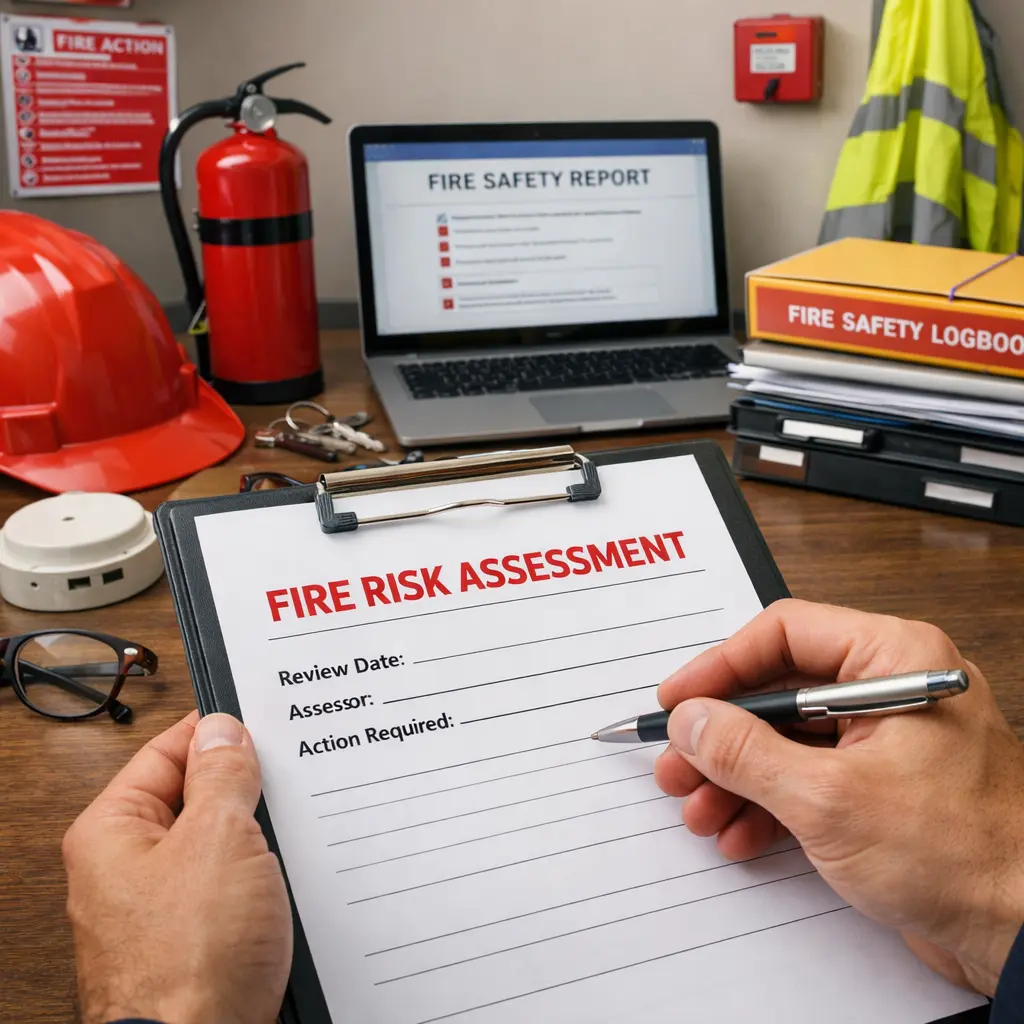
Not always. Under the Fire Safety Order, the responsible person must carry out the assessment or appoint a competent person to do so. Where the premises are small and non-complex and you are competent, you may be able to do it yourself using government guidance. If your premises fall outside the small-premises guidance, or you lack the training or experience to be competent, professional help is the sensible route.
External help is particularly worth considering when:
- the building is large, complex or multi-occupied
- people sleep on the premises
- occupants are vulnerable
- there are unusual hazards or dangerous substances
- evacuation arrangements are complicated
- you lack the expertise or the time to do it properly
What Makes a Fire Risk Assessment Provider Competent?
Competence is more than a certificate. Government guidance and the legislation describe it in terms of sufficient training and experience or knowledge and other qualities. In practical terms, look for evidence of:
- fire-safety training and continuing development
- real knowledge of the Fire Safety Order and relevant guidance
- practical experience of buildings like yours
- the ability to recognise the limits of their own expertise
- the ability to produce a suitable and sufficient assessment
- clear communication of findings to non-specialists
Competence is always relative to the premises and the risk. An assessor who is excellent with small offices isn’t automatically right for a care home, a high-rise residential block, an HMO, a heritage building or a complex industrial site. Government guidance asks you to check that the assessor’s experience matches your type of premises.
What Qualifications Should a Fire Risk Assessor Have?
There is currently no single legally mandated qualification for fire risk assessors in England. So look at the whole picture:
- relevant fire-safety training and qualifications
- evidence of ongoing professional development
- recognised competency schemes
- third-party certification or professional registration
- relevant technical knowledge
- experience, ideally with comparable premises
One useful reference point is BS 8674:2025, a code of practice setting out a competence framework for individual fire risk assessors. It describes Foundation, Intermediate and Advanced levels. It is a framework, not a law. Treat it as a benchmark, and ask how a provider’s assessors map to it for your building.
Does a Fire Risk Assessor Need to Be Certified?
Not as a general legal requirement today, but certification is a strong signal worth asking about. It helps to separate four things:
| Term | What it means | Legal status today |
| Legal requirement | Duty to ensure a suitable and sufficient assessment, using a competent person | In force (Fire Safety Order) |
| Government guidance | Recommends checking competence, experience, certification, references, insurance | Guidance, not law |
| Third-party certification | An independent body evaluates an individual or company against a scheme | Voluntary |
| Professional registration | Listing on a register run by a professional body | Voluntary |
Certification can add confidence because someone independent has tested competence. But being certified is not the same as being competent for your particular building. A certificate shows an assessor met a scheme’s requirements. It doesn’t show they have assessed buildings like yours.
Certification is also far from universal. A Home Office survey of fire risk assessors in England found that around 46% were certificated or registered through schemes, while 40% belonged to professional bodies but were uncertificated. The figures are self-reported, but they show why you can’t treat certification as the only test.
The picture may change. The consultation responds to a Grenfell Inquiry recommendation for mandatory accreditation to certify assessor competence. Until legislation changes, you decide how much weight certification carries, so combine it with building-specific checks.
On record-keeping: since October 2023 you must record the identity of whoever assisted with the assessment. It is good practice to also file how you checked their competence.
Why Experience With Your Type of Building Matters
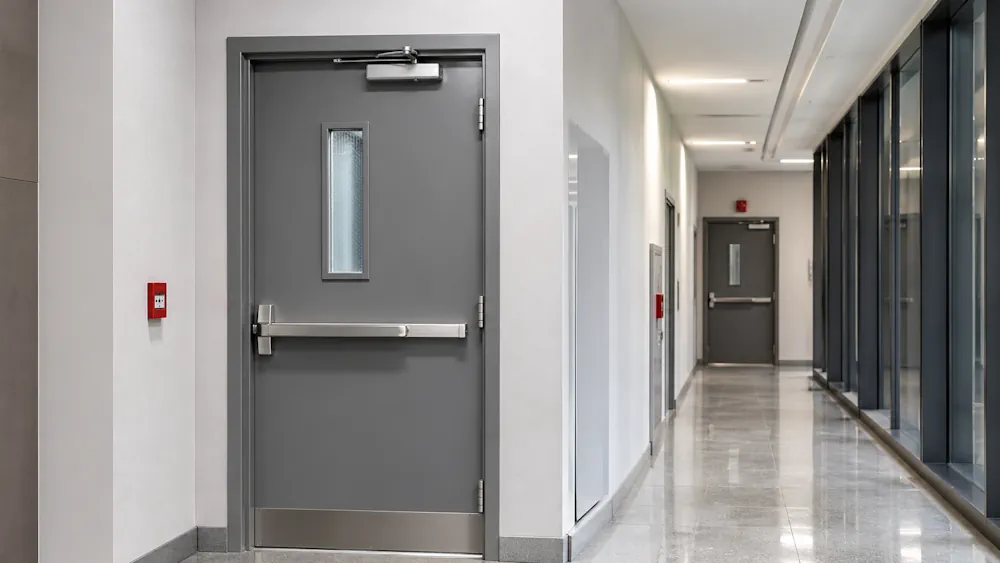
The right assessor isn’t just someone who knows fire safety. They understand the fire risks of your type of premises.
Offices. Think occupancy patterns, working hours, electrical equipment, escape routes and communal areas.
HMOs. Sleeping accommodation, shared facilities, multiple unrelated occupants, management arrangements, fire doors, detection and evacuation all matter. See HMO Fire Safety Requirements: What Landlords Must Know.
Care homes. Vulnerable residents, sleeping risk, staffing levels and evacuation strategy, including progressive horizontal evacuation where applicable. See Progressive Horizontal Evacuation Explained for Care Homes [URL to insert].
Commercial and industrial premises. Processes, machinery, combustible materials, storage, dangerous substances and large floor areas change the assessment significantly.
Ask for examples of comparable premises the assessor has handled. A confident, specific answer is a good sign.
10 Questions to Ask a Fire Risk Assessment Provider
Government guidance points Responsible Persons to relevant experience, scope, references and insurance when selecting an assessor. These questions follow that approach.
- Are you experienced with buildings like mine? Ask for specifics.
- What training and qualifications do your assessors have?
- Are you independently certified or professionally registered?
- Which scheme or register, and can I verify it?
- Who will actually carry out the assessment? Get a named individual.
- What will the assessment include and exclude?
- Will the assessor physically inspect the premises?
- What will I receive afterwards? Ask for a sample report.
- Do you provide a prioritised action plan?
- What professional indemnity and public liability insurance do you hold?
Also ask for references, examples of similar work, expected timescales and what follow-up support is included.
What Should Be Included in a Fire Risk Assessment Quote?
A useful quote makes the scope unambiguous. Look for:
- the premises and areas covered
- the type of assessment
- the named assessor
- the scope and any exclusions
- the number of site visits
- report deliverables (format, photographs, action plan)
- timescale and follow-up arrangements
- VAT treatment and total price
Compare like-for-like scopes, not headline prices. Two quotes can look similar and cover very different amounts of work.
How to Compare Fire Risk Assessment Providers
This framework is a practical aid, not a legally prescribed procurement process.
| Factor | What to check | Why it matters |
| Competence | Training, knowledge and experience | Indicates ability to assess the risks |
| Building experience | Similar premises previously assessed | Relevant experience matters |
| Certification | Recognised third-party certification | Can provide independent assurance |
| Scope | Exactly what will be inspected | Prevents misunderstandings |
| Report | Quality and usefulness of deliverables | Determines practical value |
| Insurance | Appropriate professional cover | Provides additional protection |
| References | Similar clients or projects | Helps verify experience |
| Price | Like-for-like comparison | Avoids misleading comparisons |
| Follow-up | Clarifications and review support | Helps implement recommendations |
Should You Choose the Cheapest Fire Risk Assessment?
Not necessarily. A low quote can reflect a narrower scope, fewer areas inspected, shorter visits, thinner reporting or less experienced personnel. But a higher price doesn’t guarantee higher quality either. Weigh competence, scope, experience, deliverables and price together, and ask any provider to explain what drives their price.
Warning Signs When Choosing a Fire Risk Assessment Provider
None of these proves bad practice on its own, and a different business model isn’t wrongdoing. Treat them as prompts to ask more questions:
- an unusually low quote with no explanation
- unclear scope
- reluctance to name the assessor
- no relevant building experience
- vague qualifications or no evidence of competence
- generic template reports with little building-specific content
- no proper site inspection
- recommendations that don’t relate to your premises
- pressure to buy unnecessary services
- unwillingness to explain findings
- no clear deliverables
- no insurance information
- promises of a guaranteed “pass”
What Should a Good Fire Risk Assessment Report Look Like?
A good report helps you understand and manage risk, not merely generate paperwork. Expect:
- property details, scope and methodology
- occupancy and people at risk
- hazards identified
- existing precautions: escape routes, detection and alarm, emergency lighting, firefighting equipment, fire doors
- management arrangements
- significant findings
- recommendations with priorities and an action plan
- review information
For the full process, see Fire Risk Assessment: A Practical UK Guide
Should a Fire Risk Assessment Provider Inspect Fire Doors?
A fire risk assessment will usually look at fire doors and note visible issues. But the depth of fire-door examination depends on the agreed scope. A general assessment isn’t automatically a specialist fire-door survey. Where doors are critical (HMOs, residential blocks, sleeping accommodation) or the assessment flags concerns, a dedicated inspection may be appropriate. See Fire Door Inspection in Essex and Common Fire Door Failures Identified in UK Inspections.
How Much Does a Fire Risk Assessment Provider Cost?
There is no government-set price and no reliable single national figure. Cost typically depends on:
- building size and number of floors
- number of buildings
- location and travel
- complexity, use and occupancy
- risk profile and specialist requirements
- scope and report requirements
Ask for a written scope with every quote so prices are comparable.
How to Prepare Before Hiring a Fire Risk Assessment Provider
Have these ready where they exist:
- previous fire risk assessments and action plans
- building plans and occupancy information
- fire alarm, emergency lighting and extinguisher records
- fire door information and maintenance records
- evacuation procedures and training records
- records of significant alterations
Accurate information helps the assessor understand the premises and shortens the process.
What Happens After You Choose a Provider?
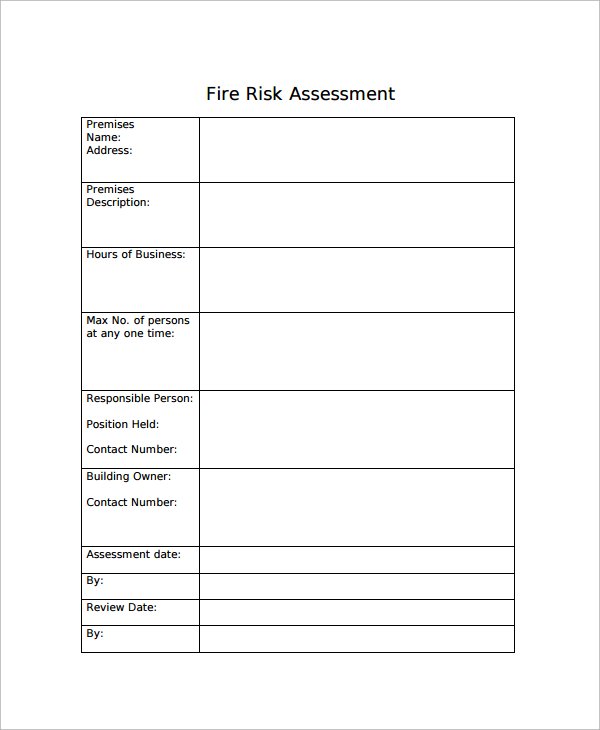
- Agree the scope.
- Confirm the appointment in writing.
- Provide the information above.
- Arrange site access.
- The assessor carries out the assessment.
- Review the findings with them.
- Receive the report.
- Discuss recommendations and priorities.
- Implement corrective actions.
- Review and update when required. See How Often Should a Fire Risk Assessment Be Reviewed in the UK?
Remember to record the assessor’s identity and keep your competence checks on file. For regulatory background, see What the UK Fire Safety Regulations in 2022 Mean for Landlords [URL to insert].
Choosing a Fire Risk Assessment Provider for an HMO
HMOs combine sleeping accommodation, multiple occupants and shared escape routes, so look for an assessor who regularly handles them and understands:
- fire doors, detection and warning systems
- management responsibilities and tenant information
- layout and evacuation arrangements
See HMO Fire Safety Requirements: What Landlords Must Know and HMO Fire Compliance in London: What Landlords Should Prepare For.
Choosing a Fire Risk Assessment Provider for a Business
Offices, shops, restaurants, warehouses, industrial units and mixed-use buildings all carry different risks. The provider should understand your actual operations: processes, stock, working patterns and who is on site. Ask how their approach would differ for your business compared with a generic office.
Choosing a Provider for Complex or High-Risk Premises
Seek additional expertise for care homes, healthcare, high-rise buildings, large HMOs, heritage buildings, premises with dangerous substances or vulnerable occupants, and complex evacuation strategies. Competence should match the risk, and specific, verifiable experience matters more here than anywhere else.
Looking for a Competent Fire Risk Assessment Provider?
[Insert only OFHSES facts you can verify, such as services, areas covered and how an assessment is carried out. Do not state certifications, registrations or client numbers unless confirmed.]
OFHSES supports landlords and businesses with fire risk assessment, practical recommendations and clear reporting, scoped to the premises being assessed. If you’d like to discuss your building, we’re happy to talk through scope before you decide.
For an example of local guidance, see Fire Risk Assessment in Romford: What Landlords & Businesses Must Know.
Frequently Asked Questions
How do I choose a fire risk assessment provider?
Check competence for your type of premises, ask about training, certification or registration, relevant experience, insurance and references, and compare quotes on like-for-like scope.
What qualifications should a fire risk assessor have?
No single qualification is legally mandated in England today. Look for relevant training, ongoing development, recognised certification or registration where available, and experience with similar premises.
Does a fire risk assessor need to be certified?
Not as a general legal requirement currently, but certification gives independent assurance and is worth asking about. Reform is under consideration for England.
How do I know if a fire risk assessor is competent?
Ask for evidence: training, comparable work, references, a sample report and insurance details. Judge competence against your building.
Should I choose a certified fire risk assessor?
Certification is a useful signal, but check relevant experience too.
What questions should I ask a fire risk assessor?
See the 10 questions above.
How much does a fire risk assessment cost?
It varies with size, complexity, risk and scope. Get written quotes with defined scopes.
How long does a fire risk assessment take?
It depends on the building. Ask the provider to estimate site time and report turnaround for your premises.
Should I get multiple quotes?
Yes, and compare scope as well as price.
What should a fire risk assessment quote include?
Premises, scope and exclusions, named assessor, site visits, deliverables, timescale, follow-up, VAT and total price.
What should a fire risk assessment report contain?
Premises details, hazards, people at risk, existing precautions, significant findings, prioritised recommendations and review information.
Can a landlord carry out their own fire risk assessment?
Where the premises are simple and the landlord is competent, possibly. Complex or higher-risk premises usually warrant professional help.
Is a fire risk assessment company responsible for my fire safety?
No. The Responsible Person retains the legal duty.
What happens if the assessment identifies serious problems?
Act on the prioritised recommendations promptly, record what you do and consider interim measures where needed.